
The History of North Bay
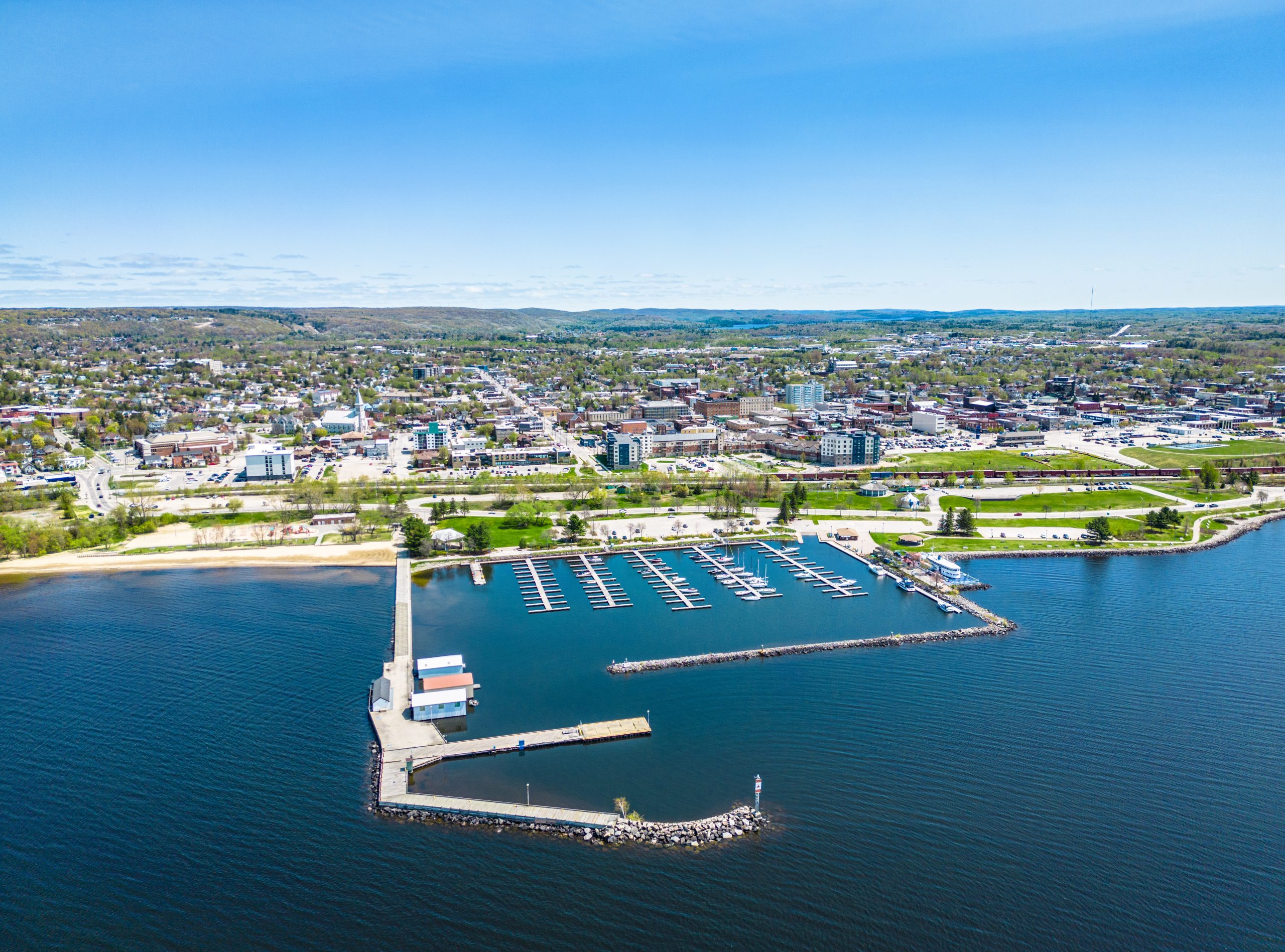
Located between two stunning bodies of water—Lake Nipissing and Trout Lake—the city of North Bay has a rich history shaped by Indigenous cultures, French exploration, and the construction of the railway that helped build Northern Ontario.
Today North Bay is known as the “Gateway to the North,” the city grew from a historic travel route into an important transportation hub linking southern and northern Canada.
Indigenous History of Lake Nipissing
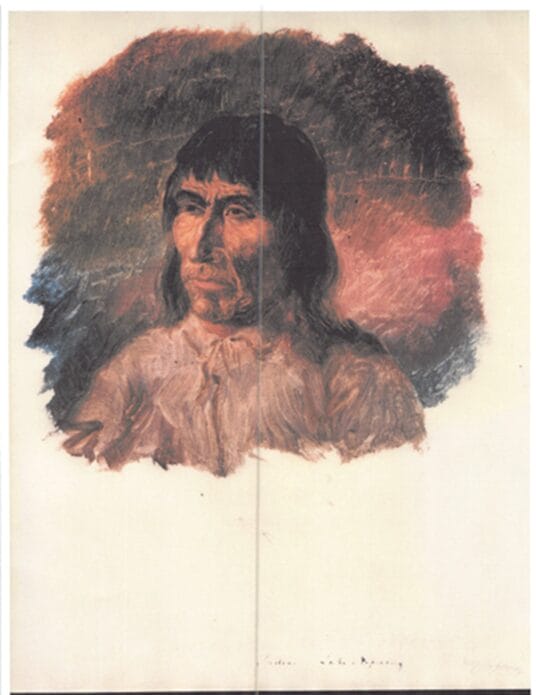
Long before European settlers arrived, the region around Lake Nipissing was home to the Nbisiing (Nipissing) People, part of the larger Anishinaabe (Ojibwe) cultural group, with Algonquin territory to the east and the Tema Augami (Temagami) Nation to the north.
The Nipissing people lived along the shores of Lake Nipissing and used the area as a vital meeting place and transportation hub. The lake connected an extensive network of canoe routes linking the Great Lakes to the Ottawa River watershed.
One of the most important travel routes was the historic canoe route along the Mattawa River, which connected Lake Nipissing to the Ottawa River and ultimately to the St. Lawrence River.
For centuries this route served as a trade and travel corridor for Indigenous communities across the region. The area where North Bay now sits was an important gathering point for fishing, trade, and seasonal travel.
Dive deeper into the rich tapestry of North Bay’s Indigenous history and culture here.
French Exploration in the North Bay Region
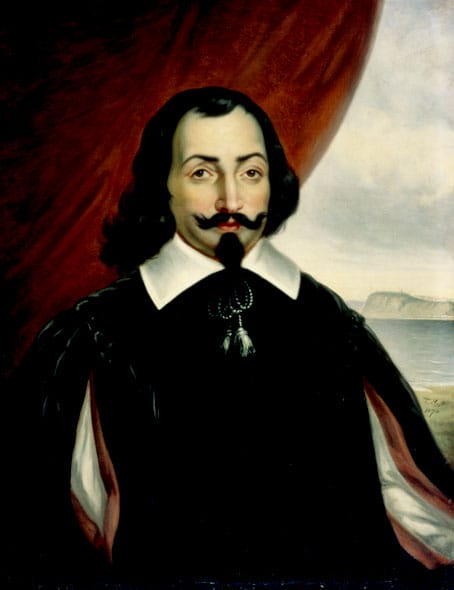
In 1610, explorer Étienne Brûlé travelled through the region, becoming one of the first Europeans to explore inland Ontario.
Just a few years later in 1615, the famed French explorer Samuel de Champlain travelled along the Ottawa River and Mattawa River route while exploring the interior of the continent.
These expeditions helped establish Lake Nipissing as a key stopping point along the growing network of travel routes used by traders and voyageurs between the Great Lakes and Montreal.
Learn more about our Francophone community in North Bay and the dynamic organisation Les Compagnons des franc loisirs that serves as the bastion of French culture and heritage in the city.
The Railway That Founded North Bay
French-speaking settlers were among the earliest to arrive, contributing to the growth of industries such as lumber and railway construction in the late 19th and early 20th centuries.
North Bay soon became a key rail junction connecting eastern Canada to the west.
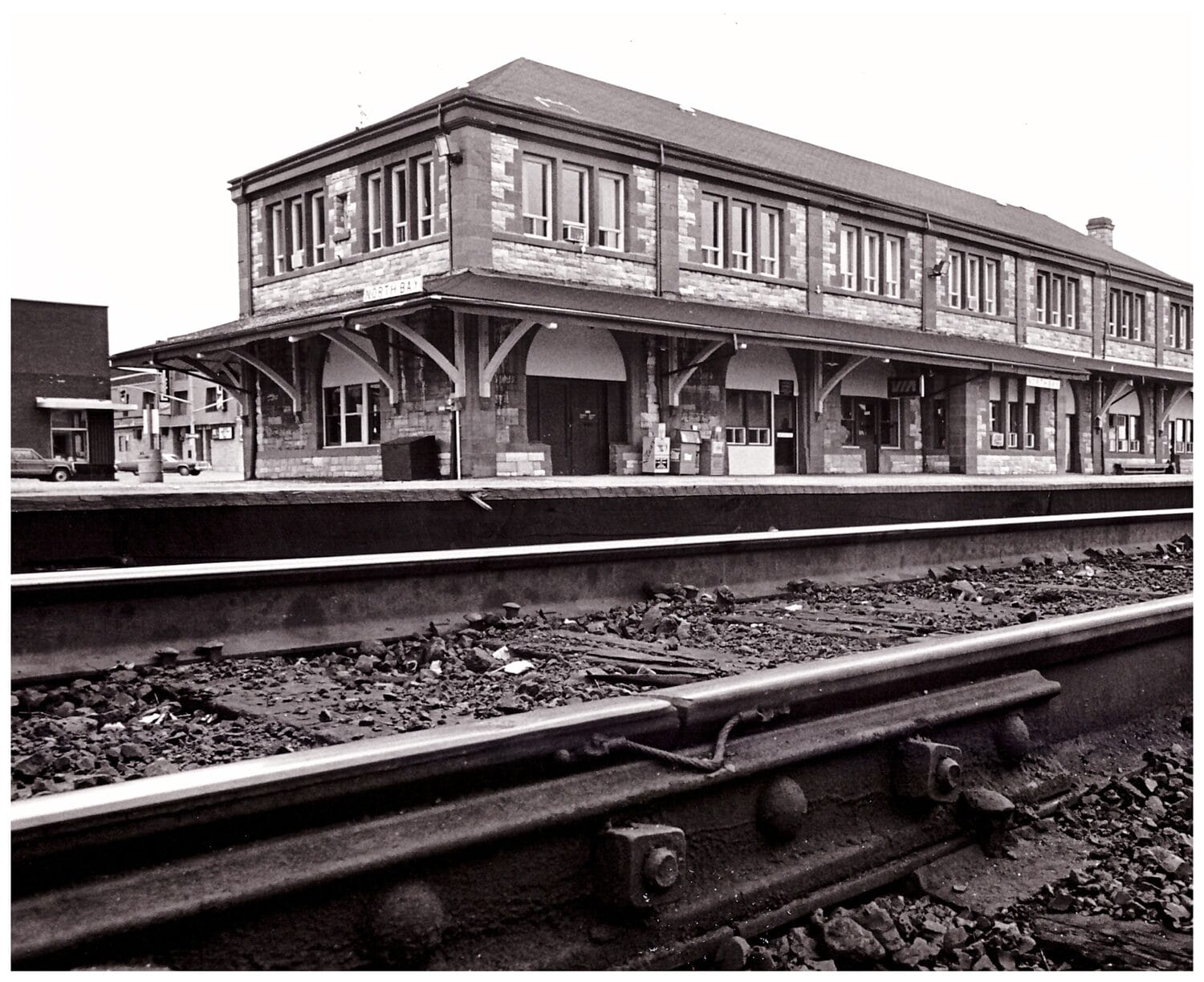
Later, the arrival of the Canadian National Railway – now houses the North Bay Museum – and the Temiskaming and Northern Ontario Railway (now Ontario Northland), with their construction in 1902 opening access to the North’s mining riches which further strengthened the city’s role as a transportation hub for Northern Ontario.
1925: North Bay is incorporated as a City
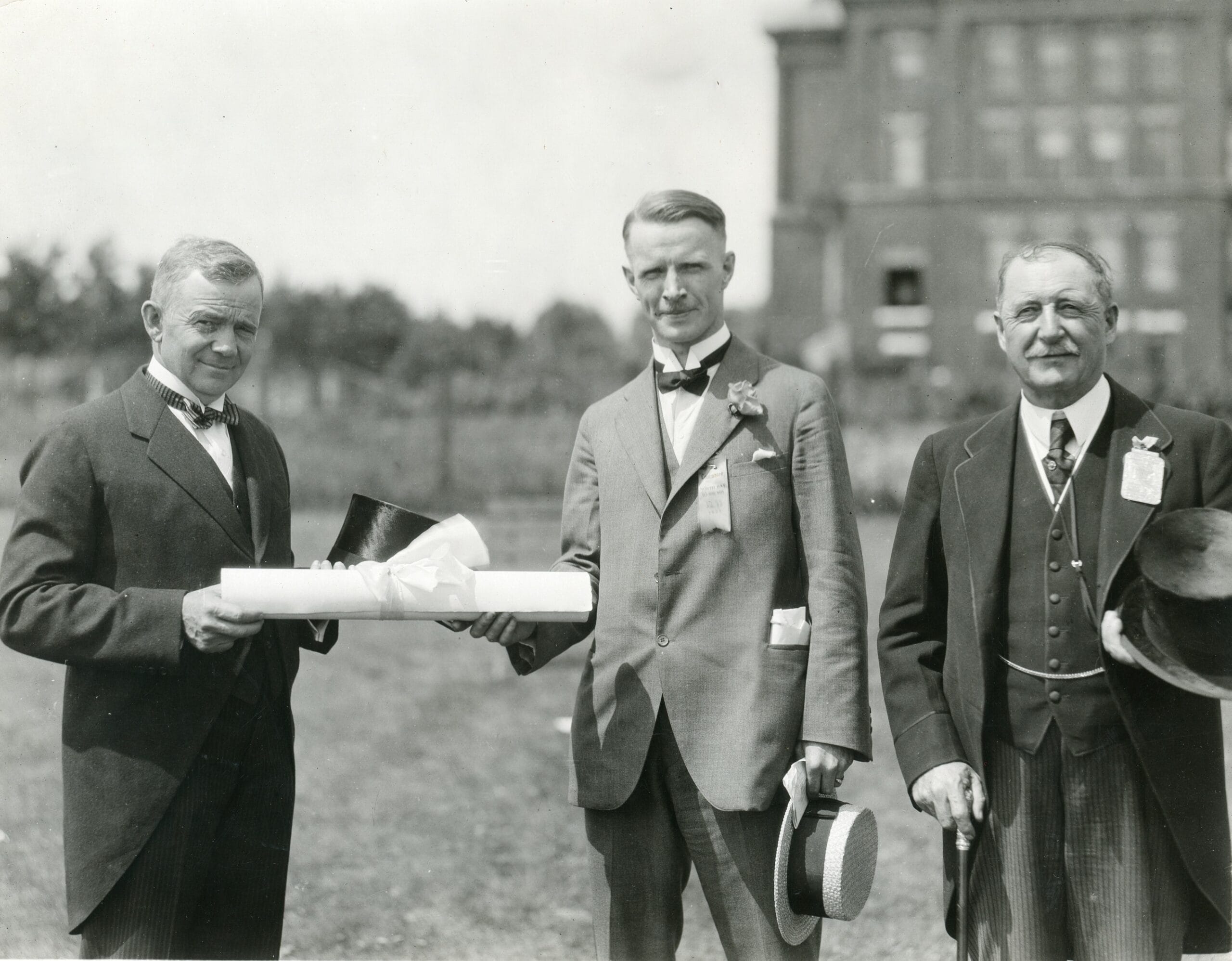
The City was growing and modernizing. Streets were being paved, and the community expanded beyond the City proper to neighboring townships like West Ferris and Widdifield, which showed faint signs of becoming communities of their own. Amid this era of expansion, the time seemed right to pursue city status—a move driven partly by North Bay’s rivalry with Sudbury, which had not yet achieved city status (a milestone Sudbury wouldn’t reach until 1930).
This historic moment not only marked North Bay’s transition from a thriving railway town to a recognized city but also set the tone for the community’s enduring resilience and collective spirit—a legacy that continues to define North Bay today.
North Bay’s Evolution
Dionne Quintuplets
The birth of the Dionne Quintuplets in 1934 brought global attention, transforming North Bay into a tourist destination. The Dionne Quints’ century old family home has been transformed to the Dionne Quints Museum and invites visitors to step back in time and explore this extraordinary story firsthand.
Military Significance
North Bay also holds a vital place in Canada’s military history, particularly during the Cold War. The city became home to Canadian Forces Base North Bay, a key hub in the continental air defence network operated in partnership with North American Aerospace Defense Command. Deep beneath the Canadian Shield, a hardened underground complex—often described as “the hole”—was built to detect and respond to potential Soviet air threats, making North Bay a critical line of defence for both Canada and the United States. This legacy continues today, with North Bay remaining an important centre for aerospace surveillance and defence operations. Learn more by visiting the Canadian Forces Museum of Aerospace Defence.
Modern North Bay
Post-war, North Bay diversified with clean industries, education, and transportation. Nipissing University and Canadore College cemented its reputation as an educational centre.
By the 1970s, North Bay had evolved into a vibrant community, balancing industry, tourism, and natural beauty — a true Gateway City with a promising future.
In 2025, North Bay celebrated its Centennial year, and today, North Bay remains a welcoming community, known for its natural beauty and quality of life. Investments in infrastructure and cultural programming continue to shape its future, while its rich history serves as a foundation for continued growth.
North Bay Timeline
-
Pre-1600s: Indigenous settlement
-
1600s: French exploration
-
1882–1884: Railway arrives
-
1925: City incorporation
-
WWII: Air base established
FAQ: History of North Bay, Ontario
The region was traditionally inhabited by the Nipissing First Nation, part of the Anishinaabe peoples who lived along Lake Nipissing and used the waterways for travel, trade, and fishing.
Who were the first European explorers in the North Bay area?
French explorers including Étienne Brûlé and Samuel de Champlain travelled through the region in the early 1600s along historic Indigenous canoe routes.
Where is North Bay located?
North Bay is located in northeastern Ontario between Lake Nipissing and Trout Lake and sits at the junction of historic canoe routes and modern highways including Highway 11 and Highway 17.
When was North Bay founded?
North Bay began as a railway construction camp when the Canadian Pacific Railway arrived in 1882.
Why was North Bay built where it is?
North Bay developed at a natural transportation crossroads between Lake Nipissing and Trout Lake, and later became a major railway junction when the Canadian Pacific Railway arrived in 1882.
Why is North Bay called the Gateway to the North?
The city became a key transportation hub linking southern Ontario with northern communities through railways, highways, and waterways.
STAY
STAY
Whether planning a weekend getaway or a family vacation, North Bay has accomodation to suit everyone's needs.
Eat & Drink
Eat & Drink
SEE & DO
SEE & DO
EVENTS
EVENTS
The official visitor guide to local festivals, events and activities in and around North Bay.